Yanmar Engine Parts: A Practical Guide to Sourcing Genuine Components
When a Yanmar-powered excavator or diesel generator starts losing compression or leaking oil, the fix usually comes down to one thing: finding the right yanmar engine parts before downtime turns into a lost contract. Fleet managers and repair shops searching for these components often face a maze of aftermarket options, unclear part numbers, and suppliers who cannot confirm compatibility. This guide walks through what actually matters when sourcing crankshafts, cylinder heads, and the smaller wear items that keep small diesel engines running.
Why Yanmar Engines Need Specific Replacement Parts
Yanmar diesel engines power a wide range of compact machinery, from mini-excavators to skid steers and generator sets. Their compact block design and tight tolerances mean that generic or mismatched parts rarely perform well over time. A bearing that's off by a fraction of a millimeter can cause premature wear long before the rest of the engine is due for an overhaul.
This is why engine rebuilders lean toward parts matched to specific series like the 3TNV88 or 4TNV98. Each series has its own bore diameter, bearing clearance, and gasket profile. Mixing parts across series, even ones that look similar on a shelf, tends to shorten service life rather than extend it.
Common Problems That Send Buyers Searching for Parts
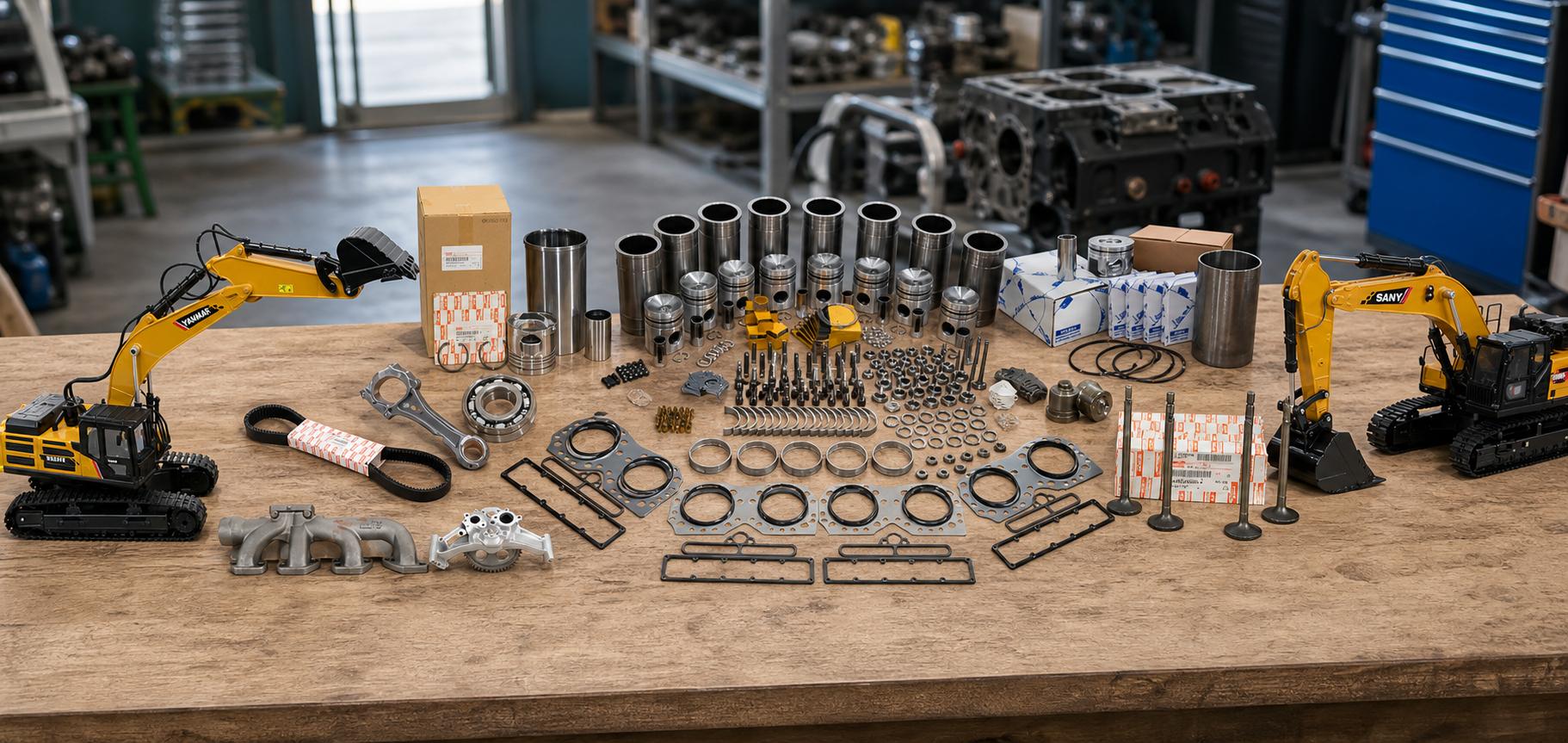
Most requests for Yanmar components trace back to a handful of recurring failure points. Recognizing which symptom points to which part saves time during diagnosis and avoids ordering the wrong item twice.
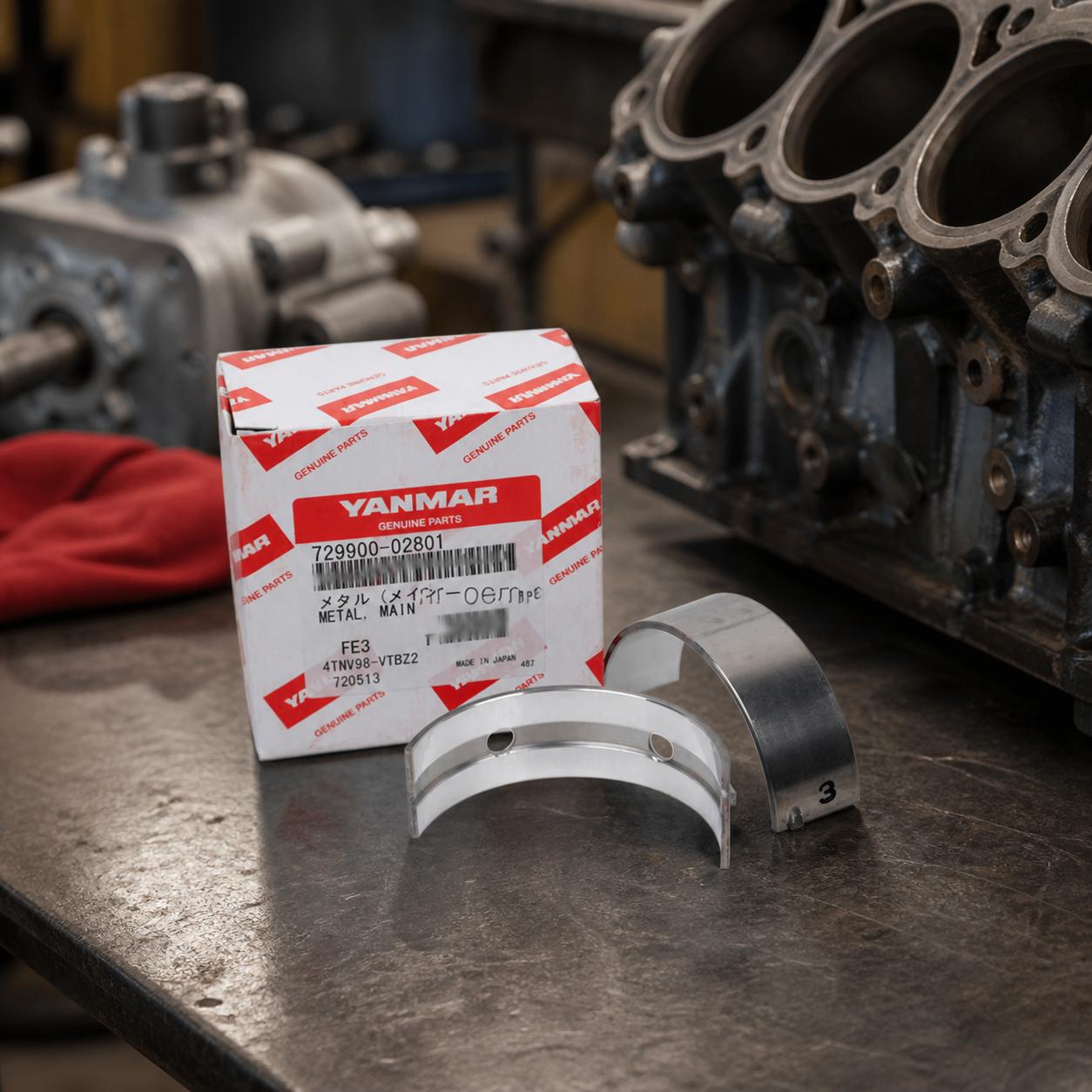
- Oil pressure loss or knocking noise often points to worn main or connecting rod bearings, which sit against the crankshaft journal and degrade gradually under load.
- Coolant temperature swings frequently trace back to a failing thermostat housing, especially on units that have run past their expected service interval.
- White smoke or coolant in the oil usually signals a cracked cylinder head or a failed cylinder head gasket, particularly after overheating events.
- Fuel delivery inconsistency points toward the fuel injection pump or fuel joint fittings, which can develop internal wear or external seal failure.
- Valve train noise is commonly caused by a worn valve pusher rod or valve bridge, both of which see constant mechanical cycling.
Matching the symptom to the correct component early on prevents a small repair from turning into a full teardown.
Core Components Worth Understanding Before You Order
Not every part in an engine carries the same risk if it fails. Some components, like O-rings, are cheap and low-stakes to replace preventively. Others, like crankshafts, are expensive and central to the engine's structural integrity.
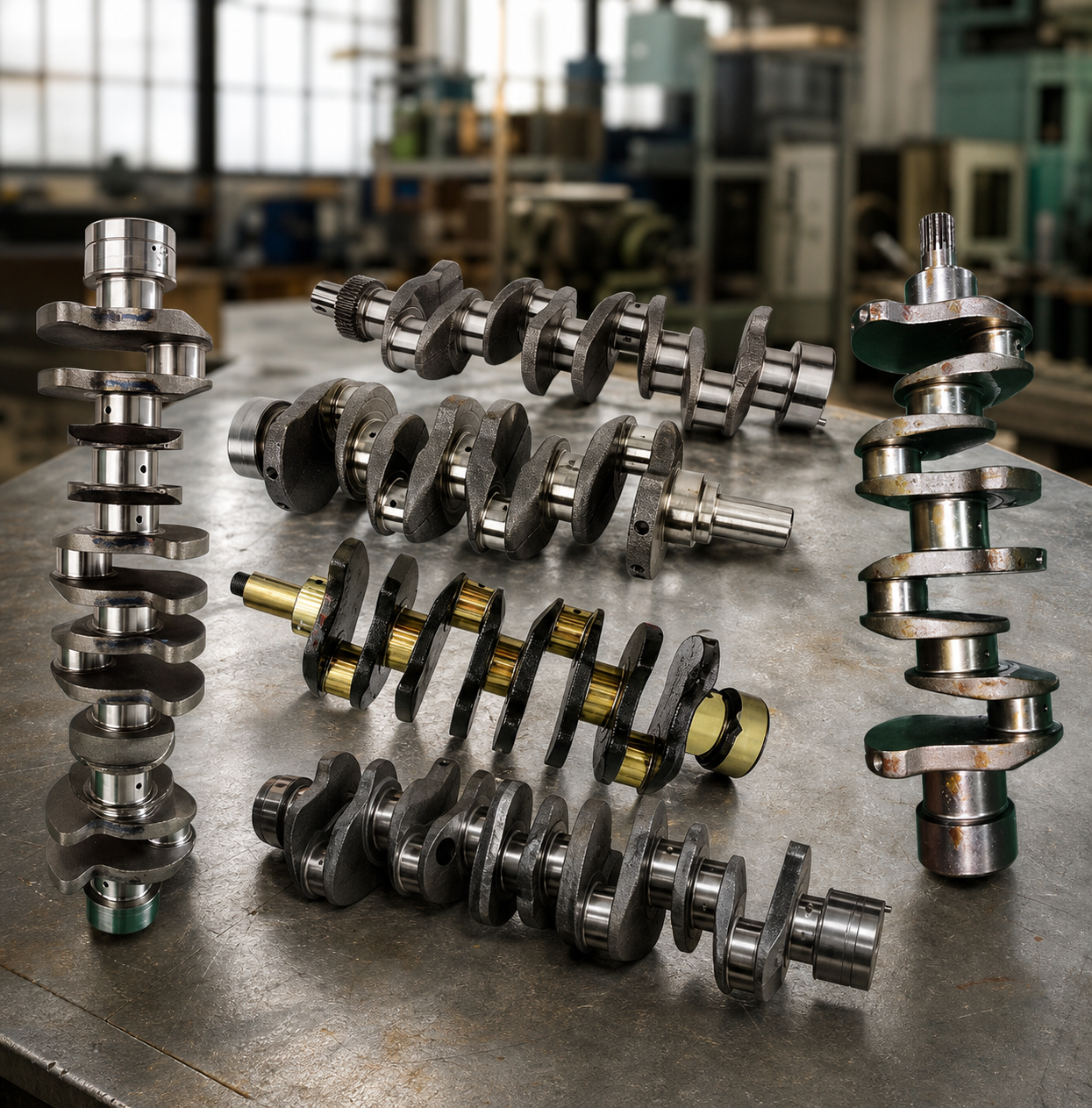
Crankshafts and connecting rods sit at the heavy-duty end of the spectrum. These forged steel components absorb combustion force directly, so any replacement needs to match the original tolerances closely. On the other end, smaller items like fuel injector seals and O-rings are inexpensive but still critical, since a failed seal can let fuel leak or air enter the system.
Cylinder heads and their gaskets fall somewhere in between. They're not as costly as a crankshaft, but a poor gasket fit can cause coolant or combustion leaks that damage the block over time. Valve guides, which keep the valve stem aligned during its up-and-down cycle, also fall into this mid-tier category. Wear here shows up as reduced compression well before it becomes a visible problem.
Supported Yanmar Series and Compatibility
One of the most frequent sourcing mistakes is assuming that parts are interchangeable across similar-sounding Yanmar models. In practice, engine series like 4TNE86 and 4TNV86 share a base design but differ in fuel system type, so parts need to be checked against the specific engine code stamped on the block.
| Engine Series | Typical Application | Notes on Compatibility |
|---|---|---|
| 3TNV88 / 3TNV70 | Mini-excavators, small generators | Compact three-cylinder block |
| 4TNV88 / 4TNE88 | Skid steers, light construction equipment | Naturally aspirated variants common |
| 4TNV94 / 4TNE94 | Mid-size excavators | Higher displacement than 88 series |
| 4TNV98 / 4TNE98 | Larger excavators, industrial generators | Common in fleet-grade machinery |
| 4TNV106 | Heavy-duty industrial applications | Larger bore, higher torque output |
Buyers should always cross-reference the engine serial number rather than relying on machine model alone, since the same excavator model can ship with different engine variants depending on region and production batch.
Genuine Versus Aftermarket: How to Decide
The choice between genuine and aftermarket parts isn't purely about brand loyalty. It's about where the part sits on the risk spectrum discussed earlier, and how much downtime the equipment can tolerate.
- Identify the failed component's role. Structural parts like crankshafts and cylinder heads justify the premium of OEM-grade sourcing because replacement failure is costly and labor-intensive to fix twice.
- Check the machine's duty cycle. Equipment running continuous shifts, like rental fleet excavators or generators on standby power duty, benefits more from OEM-grade reliability than machines used occasionally.
- Weigh cost against downtime. For low-stakes items like gaskets or O-rings, a reputable aftermarket option can be reasonable, provided it matches the original dimensions and material grade.
- Confirm supplier authorization. Working with an authorized dealer reduces the risk of receiving mismatched or counterfeit parts, which is a real problem in the diesel parts aftermarket.
For us, that authorization piece matters directly. Marun operates as an authorized Yanmar parts dealer, sourcing components like crankshafts, fuel injection pumps, and gasket sets for engine rebuilds and heavy-duty overhauls.
Where These Parts Get Used in the Field
Understanding the application context helps explain why part quality matters so much for this category of equipment. These aren't parts sitting in a warehouse for cosmetic replacement, they're going into machines under real mechanical load.
- Excavator engine rebuilding, where a full teardown justifies investing in higher-tolerance components
- Mini-digger fleet repairs, where multiple units may need the same part simultaneously
- Skid steer heavy-duty overhauls, often involving both the fuel system and valve train
- Diesel generator maintenance, where unplanned downtime affects continuous power supply
- Routine servicing across mixed industrial machinery fleets running Yanmar-powered units
Each of these scenarios comes with different urgency levels, which is worth factoring into how far in advance parts should be ordered.
Frequently Asked Questions
Can I use a cylinder head gasket from a similar Yanmar model if the exact part isn't in stock?
It's not advisable. Even engines within the same family can have different bolt patterns or coolant passage layouts. A mismatched gasket often leads to leaks that show up weeks after installation.
How do I know if a bearing failure is due to a part defect or normal wear?
Normal wear tends to be gradual and shows even scoring across the bearing surface. Sudden failure, especially with visible metal flaking, usually points to an oil supply issue or contamination rather than the part itself.
Are small components like O-rings and seals worth sourcing from an authorized dealer?
Yes, mainly for consistency. These parts are inexpensive individually, but a batch of poorly manufactured seals can cause repeat fuel or coolant leaks, which costs more in labor than the parts saved.
What's the difference between 4TNE and 4TNV designations?
Generally, the letter difference reflects variations in fuel injection or cooling configuration within the same base engine family, so parts are not always interchangeable without verification.
Getting the Right Parts to the Right Machine
Sourcing decisions for Yanmar-powered equipment come down to matching the part to the engine series, the failure mode, and how critical the component is to overall engine integrity. Buyers who skip the verification step, whether that's confirming the engine code or checking supplier authorization, tend to pay for it later in repeat repairs.
Working through a supplier with direct authorization and broad inventory depth, covering everything from crankshafts to fuel injector nozzle joints, removes much of that guesswork. Whether the job is a routine gasket swap or a full engine rebuild, sourcing yanmar engine parts through a verified channel is the difference between a repair that lasts and one that comes back around in a few months.
SUBSCRIBE
INQUIRY