Original Hino Engine Parts: A Practical Guide for Repair Shops and Fleet Owners
Sourcing original Hino engine parts is rarely about brand loyalty. It's about avoiding a second breakdown three weeks after the first repair. Anyone running a fleet of Kobelco excavators or heavy-duty trucks knows the real cost of a failed component isn't the part price, it's the downtime that follows. This guide walks through what these parts actually cover, why compatibility matters more than most buyers assume, and how to choose between repair and full replacement without guessing.
Why Engine Downtime Costs More Than the Part Itself
A cracked cylinder head gasket rarely announces itself. It shows up as a slow coolant leak, then a white puff of exhaust smoke, then a seized engine on a job site forty miles from the nearest shop. For construction and mining operations, that sequence can stall an entire crew.
This is the quiet math behind parts sourcing: a low-cost gasket replaced early costs far less than heavy equipment sitting idle for repairs. Repair shops that stock original Hino diesel engine parts aren't padding inventory for the sake of it, they're insuring against the kind of failure that cascades into missed deadlines and penalty clauses.
What Falls Under Original Hino Engine Parts
The category is broader than most people expect. It's not just gaskets and bolts, it spans the components that keep combustion, lubrication, and fuel delivery running in sync. Based on Marun's inventory, the core groupings include:
- Structural and rotating components: crankshafts, cylinder liners, piston pins
- Sealing components: cylinder head gaskets, valve seals, bearing sets
- Fuel system parts: fuel injection pumps, oil pumps
- Fasteners and small hardware: engine bolts, flange nuts, sealing plugs
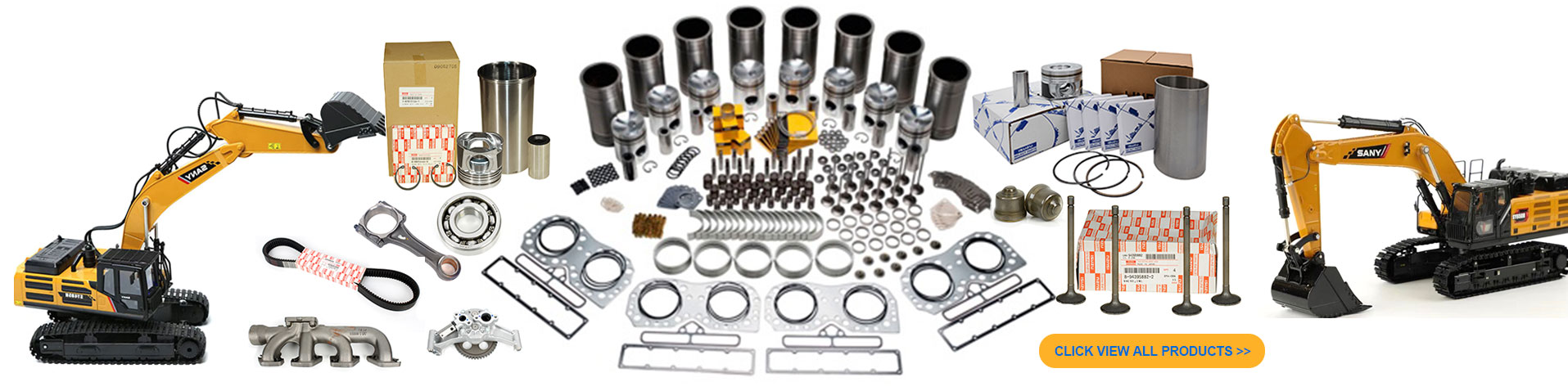
Each category solves a distinct failure mode. Fasteners loosen under vibration. Gaskets degrade under heat cycling. Bearings wear from friction over thousands of operating hours. Treating them as one generic "parts kit" is how shops end up ordering the wrong item twice.
Matching Parts to the Right Hino Engine Series
Compatibility mistakes are the single most common reason repair jobs stall. Hino engines used across construction machinery aren't interchangeable across series, even when two models look similar on the outside.
The parts referenced here are matched to these core series:
| Engine Series | Common Designation | Typical Use Case |
|---|---|---|
| J08E / J08ET | Mid-range diesel | Excavators, concrete mixers |
| J05C / J05E / J05ET | Compact diesel | Smaller excavators, light machinery |
| H07C / H07CT | Heavy-duty diesel | Larger construction equipment |
| P11C | High-output diesel | Heavy trucks, industrial engines |
| E13 / E13CT | Large-bore diesel | Heavy-duty trucks, mining equipment |
Before ordering, a technician should confirm the exact engine code stamped on the block, not just the machine model. Two Kobelco excavators from the same production year can carry different Hino engine variants depending on regional specification. Skipping this step is where mismatched crankshafts and ill-fitting gaskets come from.
Reading the Packaging: A Small Habit That Prevents Big Errors
Original parts typically arrive in branded, sealed packaging with part numbers printed directly on the label. This isn't just presentation, it's a verification tool.
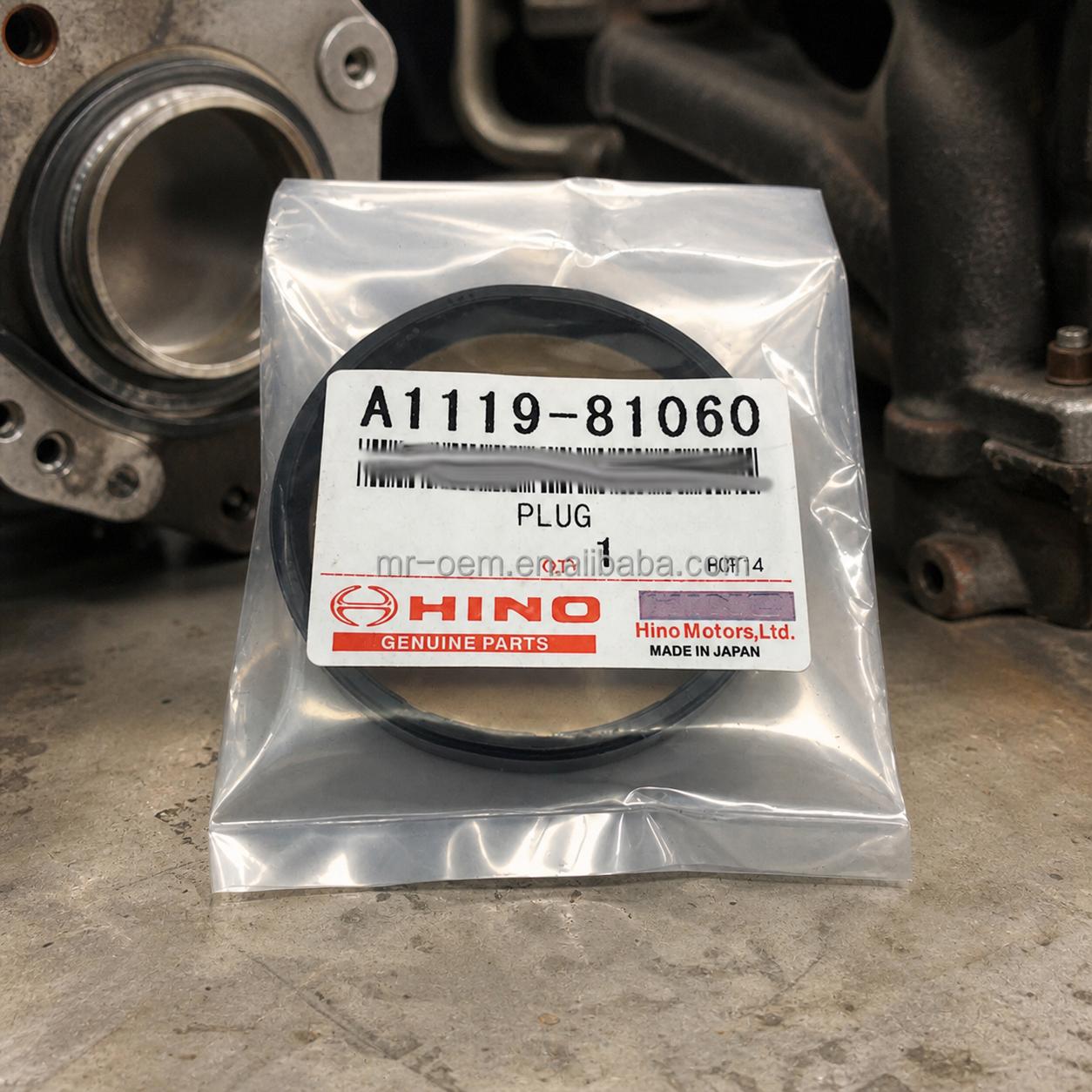
Before installation, cross-check the printed part number against the service manual reference, not just the visual shape of the component. A valve seal and a similar-looking plug can share a bin in a busy shop. That five-second check on the label has saved more than one technician from reassembling a head twice.
Crankshafts and Bearings: Where Tolerance Matters Most
Crankshafts and bearing sets carry the tightest tolerances in the entire engine assembly. A crankshaft with journal diameters outside the specified tolerance will wear a bearing set unevenly, and that uneven wear shows up as knocking noise within a few hundred hours.
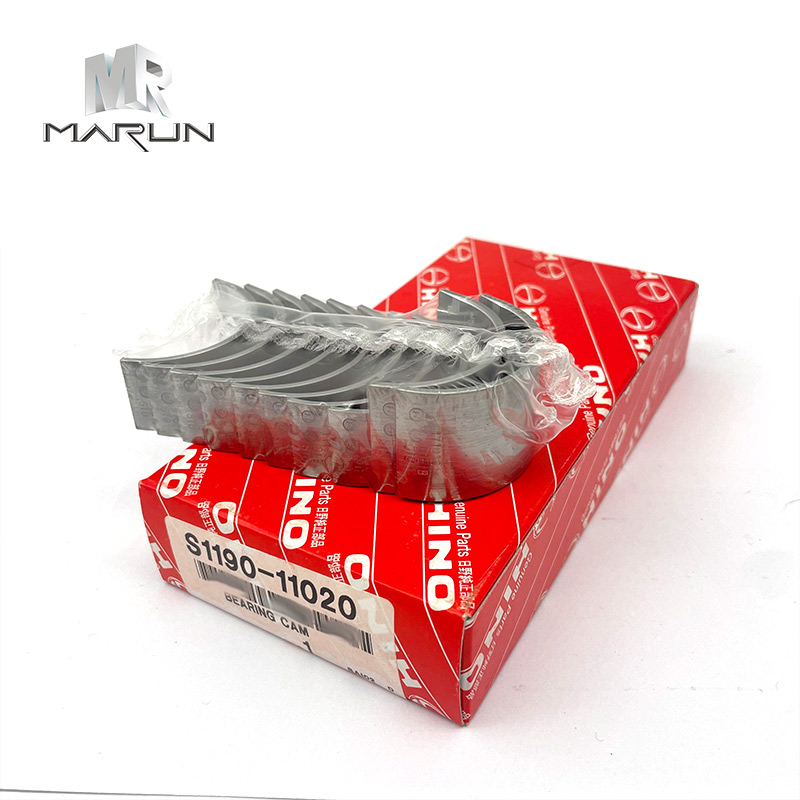
This is why bearing sets and crankshafts are usually sourced together, rather than mixed between suppliers. Consistency across the rotating assembly matters more than shaving a few dollars off one component. For repair shops working under warranty terms, this pairing also simplifies liability if a comeback issue arises later.
Gaskets and Seals: The First Line of Defense Against Leaks
Cylinder head gaskets do a job that looks simple and isn't. They seal combustion pressure, coolant passages, and oil channels simultaneously, all while absorbing repeated thermal expansion and contraction.
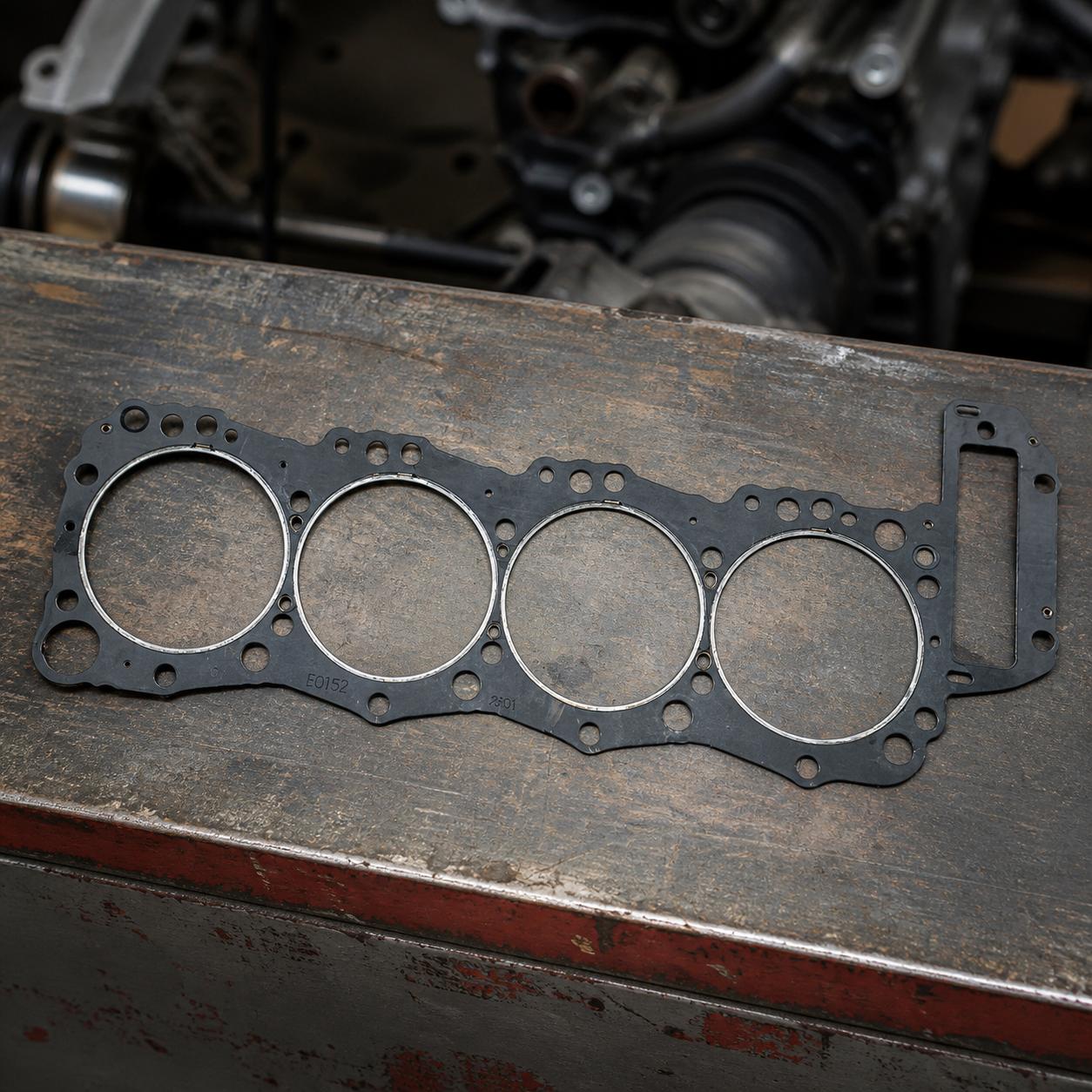
When a gasket fails, the symptoms are often misdiagnosed. Coolant mixing into oil can look like a head crack when it's actually a worn seal. That's why replacing the gasket with a component matched to the original specification, rather than a generic universal fit, reduces the odds of a repeat failure. The same logic applies to valve seals, which prevent oil from seeping into the combustion chamber over long duty cycles.
Fuel Injection and Oil Pumps: Precision Over Guesswork
Fuel injection pumps regulate exact delivery timing and pressure. Even small deviations here affect combustion efficiency, and on older Hino diesel platforms, injection pump wear is a common reason for gradual power loss that owners often mistake for aging fuel.
Oil pumps face a different but related challenge: consistent pressure across a wide RPM range. A pump running below spec starves upper cylinder components of lubrication long before a warning light appears. Because both components operate on tight internal clearances, sourcing them to match the original engine specification is usually more reliable than adapting a part designed for a different series.
Fasteners and Small Hardware: Easy to Overlook, Costly to Ignore
It's tempting to treat bolts, nuts, and plugs as interchangeable hardware store items. On a diesel engine subjected to constant vibration and heat cycling, that assumption breaks down fast.
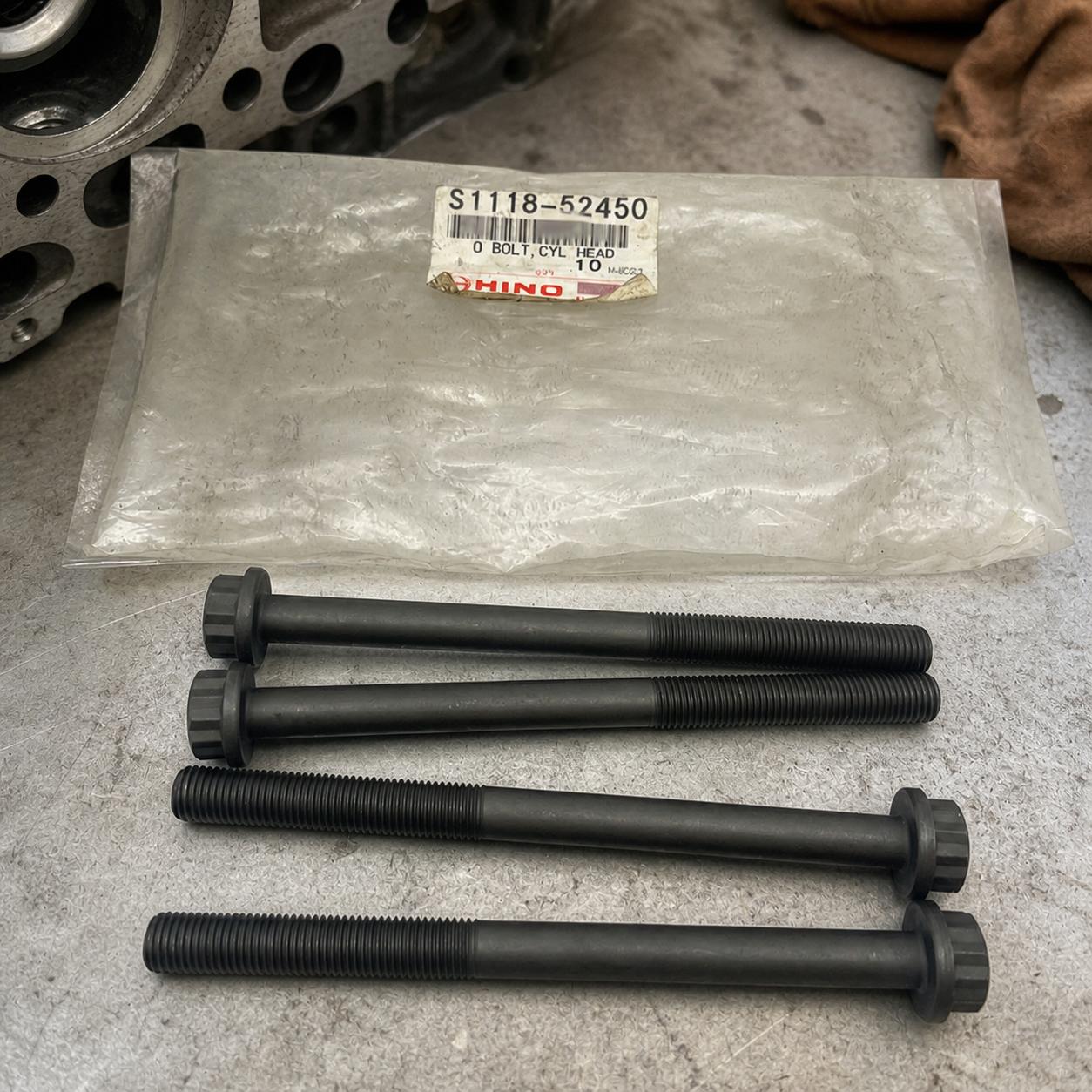
Engine bolts used in structural assembly points are typically torqued to specific values and made from grades of steel suited to that stress. A generic substitute might fit the thread, but it won't necessarily hold torque the same way over thousands of vibration cycles. The same applies to flange nuts and sealing plugs, small components that are disproportionately responsible for oil leaks when substituted carelessly.
Choosing Between Repair and Replacement
Not every worn component needs a full engine teardown. A practical decision sequence looks like this:
- Identify the symptom first: knocking, smoke color, coolant loss, or pressure drop each point to different systems.
- Confirm the engine series and part number against the service manual before ordering anything.
- Assess whether the issue is isolated (a single gasket or seal) or systemic (bearing wear affecting multiple components).
- Weigh repair cost against remaining engine life, especially for machinery already logging high operating hours.
- Source components matched to the original specification, particularly for parts under tight tolerance like crankshafts and injection pumps.
Skipping step two is the most expensive mistake in this list. Ordering by machine model alone, without confirming the actual engine code, is how shops end up with parts that almost fit.
Who Actually Needs This Inventory
Original Hino engine parts serve a fairly specific set of buyers, and recognizing which group you fall into shapes how you should stock or order:
- After-sale repair shops servicing Kobelco excavators and similar equipment need broad coverage across J08E, J05E, H07C, P11C, and E13 series.
- Fleet operators running heavy-duty trucks benefit from keeping fast-wear items like gaskets and bearings on hand rather than ordering reactively.
- Concrete mixer operators face constant vibration loads, making fastener and seal quality especially relevant.
- Wholesale distributors need consistent access to inventory without long lead times tied to a single regional supplier.
Frequently Asked Questions
Are original Hino engine parts only available for newer engine models?
No. The core series covered, including J08E, J05E, H07C, P11C, and E13, span both older and more recent Hino diesel platforms still widely used in construction machinery.
Can these parts be used across different equipment brands?
Yes, as long as the equipment is built around a compatible Hino engine series. Many Kobelco excavators and similar machines share the same core engine platforms, so the matching is based on engine code rather than machine brand.
Why do gaskets need replacing even if there's no visible leak yet?
Gasket material degrades under repeated heat cycling before a visible leak develops. Replacing during scheduled maintenance is generally cheaper than waiting for failure symptoms to appear mid-operation.
Is it necessary to replace bearings and crankshafts together?
It's generally recommended. Mismatched tolerances between a new crankshaft and worn bearings, or vice versa, tend to accelerate wear on whichever component is older.
Sourcing Reliable Original Hino Engine Parts
Finding a stable supply chain for original Hino diesel engine parts matters as much as the parts themselves. Lead time gaps during a breakdown are where rental costs and missed deadlines pile up. For us at Marun, this inventory sits alongside Isuzu, MAHLE, and Yanmar parts lines, covering crankshafts, fuel injection pumps, oil pumps, cylinder head gaskets, and the fasteners that hold everything together across J08E, J05E, H07C, P11C, and E13 engine series.
For repair shops and wholesale buyers working across Kobelco excavators, concrete mixers, and heavy-duty trucks, having consistent access to original Hino engine parts reduces the guesswork that leads to repeat failures. The goal isn't stocking every part imaginable, it's knowing which components carry tight tolerances worth sourcing carefully, and which ones simply need to be available when the job demands it.
SUBSCRIBE
INQUIRY