
Diesel Engine Parts: A Practical Guide to Sourcing, Compatibility, and Fleet Uptime
Fleet managers and workshop owners rarely think about diesel engine parts until a machine stalls mid-shift. That moment reveals the real cost of downtime, and it explains why sourcing reliable diesel engine parts has become a strategic decision rather than a reactive purchase. Whether the equipment runs on Isuzu, Yanmar, Hino, Mitsubishi, or Caterpillar power, the underlying question stays the same: how do you keep a fleet running without gambling on part quality or availability.
This guide walks through the components that fail most often, how to match them correctly, and what separates a dependable supplier from one that leaves you waiting on a container ship.
Why Diesel Engines Fail More Often Than People Expect
Diesel engines work under sustained load, high compression, and constant vibration. Excavators, generators, and tractors rarely idle gently; they operate at near-peak output for hours. That environment wears down specific parts faster than others, and it explains why fuel injectors, gaskets, and bearings show up so often in repair logs.
Heat cycling is the quiet culprit. Metal expands under load and contracts when the machine shuts down, and repeated cycles fatigue seals and gaskets long before the engine block itself shows wear. Operators who skip scheduled inspections often discover this the hard way, usually during a busy season when replacement lead time matters most.
Core Components That Drive Most Repair Requests
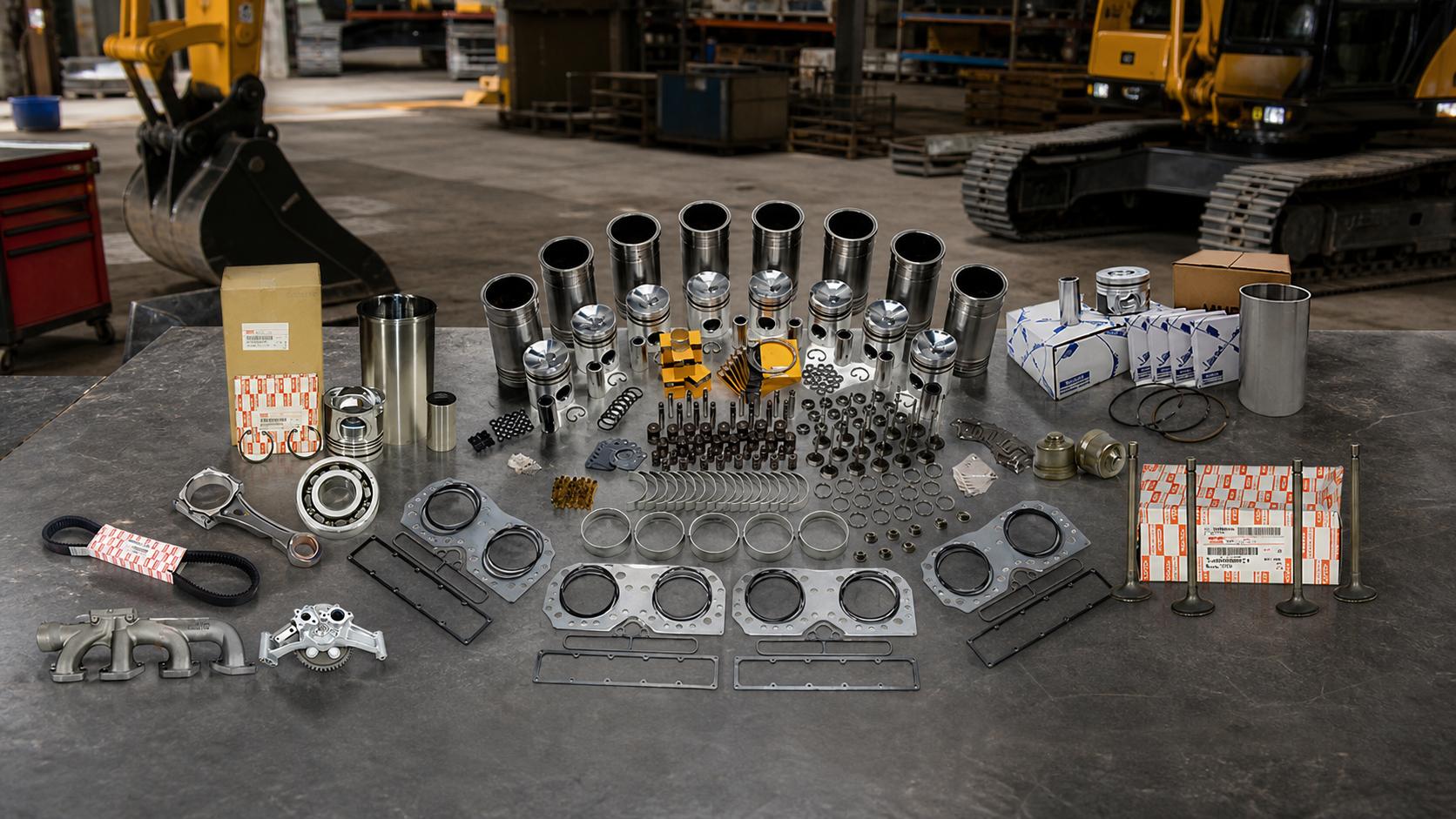
A small group of components accounts for the bulk of diesel engine service work. Understanding what each part does makes it easier to diagnose problems before they escalate into full engine failures.
- Fuel injectors: control the precise timing and volume of fuel delivery. Worn injectors cause rough idling, poor fuel economy, and excess smoke.
- Cylinder heads: seal the combustion chamber and house the valve train. Cracks here often trace back to overheating.
- Gasket kits: prevent oil, coolant, and combustion gases from mixing. A failed head gasket is one of the most common reasons for an unscheduled teardown.
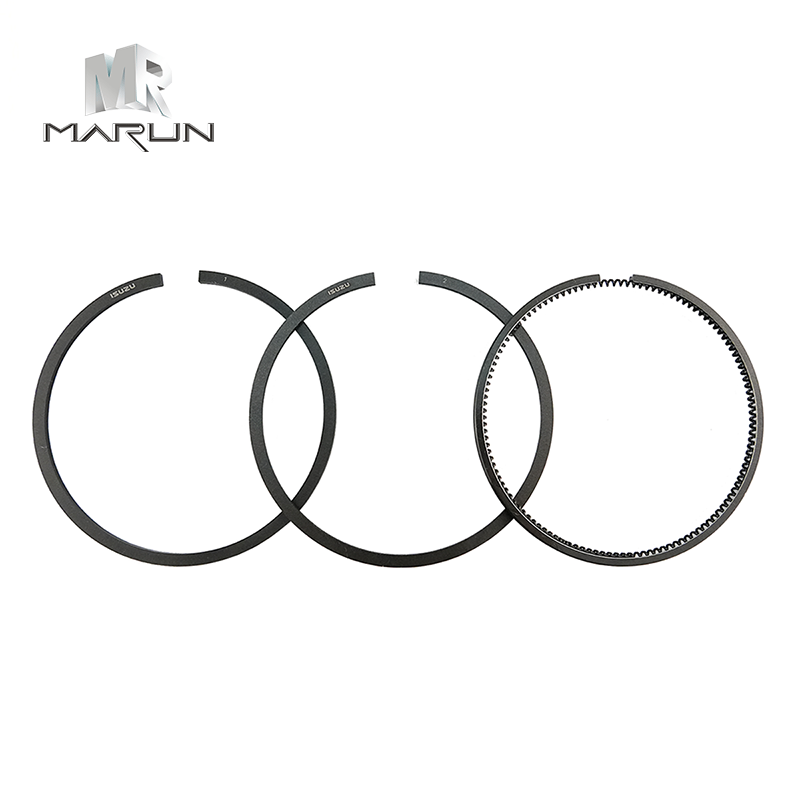
- Piston rings: maintain compression and control oil consumption. Glazed or worn rings lead to blue exhaust smoke and reduced power.
- Crankshafts and camshafts: convert combustion energy into rotational motion. Damage here is expensive and usually points to a lubrication failure upstream.
- Bearings: support rotating components and are highly sensitive to contaminated oil or delayed maintenance.
Electrical and Sensor Components Are Just as Critical
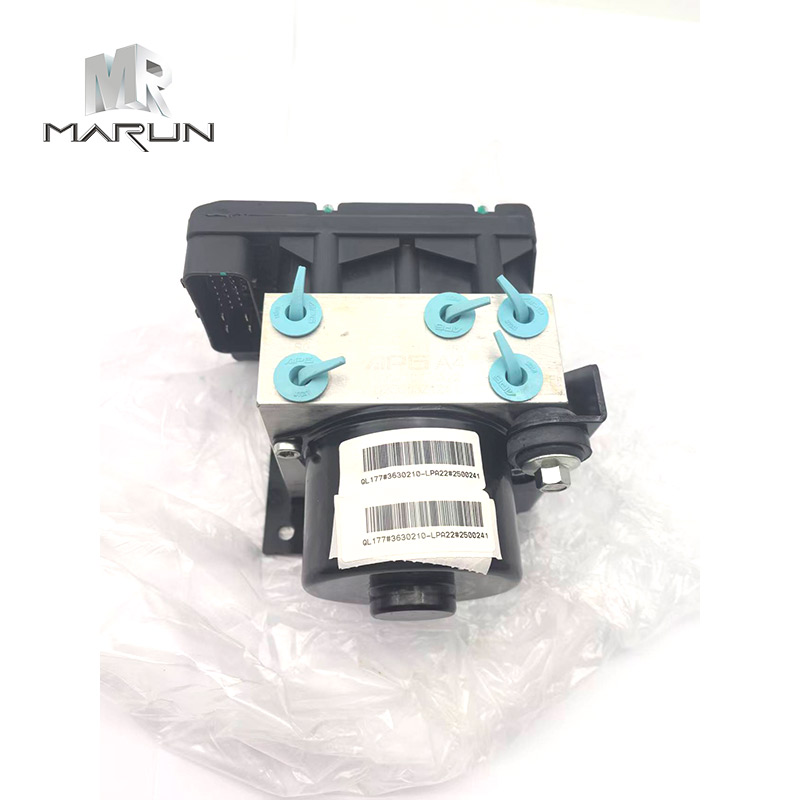
Modern diesel engines, especially common rail systems, rely heavily on electronics to manage combustion efficiency. Alternators, starters, sensors, and wiring harnesses now sit alongside mechanical parts as frequent points of failure.
A faulty sensor can trigger a derate mode that limits engine power, even when the mechanical components are healthy. This is a common misdiagnosis in the field: operators assume a mechanical fault when the real issue is a corroded wiring harness connector or a failed pressure sensor.
Glow plugs deserve specific mention here, since they directly affect cold-start reliability. Machines operating in colder regions or during early morning shifts depend on these components far more than warmer-climate fleets realize.
Cooling and Lubrication Systems Protect the Whole Engine
Overheating and oil starvation cause more catastrophic engine damage than almost any other failure mode. Water pumps, oil pumps, thermostats, and filters form the first line of defense against both.
A water pump assembly with a worn impeller reduces coolant flow gradually, so the symptoms often creep up rather than appear suddenly. By the time a temperature gauge spikes, the cylinder head may already be compromised.
Filter maintenance is the cheapest insurance available in diesel engine care. Oil filters and fuel filters trap contaminants that would otherwise scar bearings and injector nozzles, and replacing them on schedule is far less expensive than replacing the components they protect.
Matching Parts Correctly Across Engine Brands
One of the most common sourcing mistakes is assuming that parts are interchangeable across brands simply because dimensions look similar. Isuzu, Yanmar, Kubota, Hino, Mitsubishi, and Caterpillar engines each use distinct tolerances, materials, and calibration standards, even when a part appears visually identical.
| Engine Brand | Common Application | Typical Parts Needed |
|---|---|---|
| Isuzu | Excavators, generators, common rail systems | Fuel injectors, cylinder heads, exterior parts |
| Yanmar | Small excavators, agricultural machinery | Engine assemblies, overhaul kits |
| Mitsubishi | Industrial and construction equipment | Engine assemblies, spare parts |
| Hino | Heavy trucks, industrial machinery | Gaskets, bearings, filters |
| Caterpillar | Heavy equipment, generators | Pistons, cylinder liners, bearings |
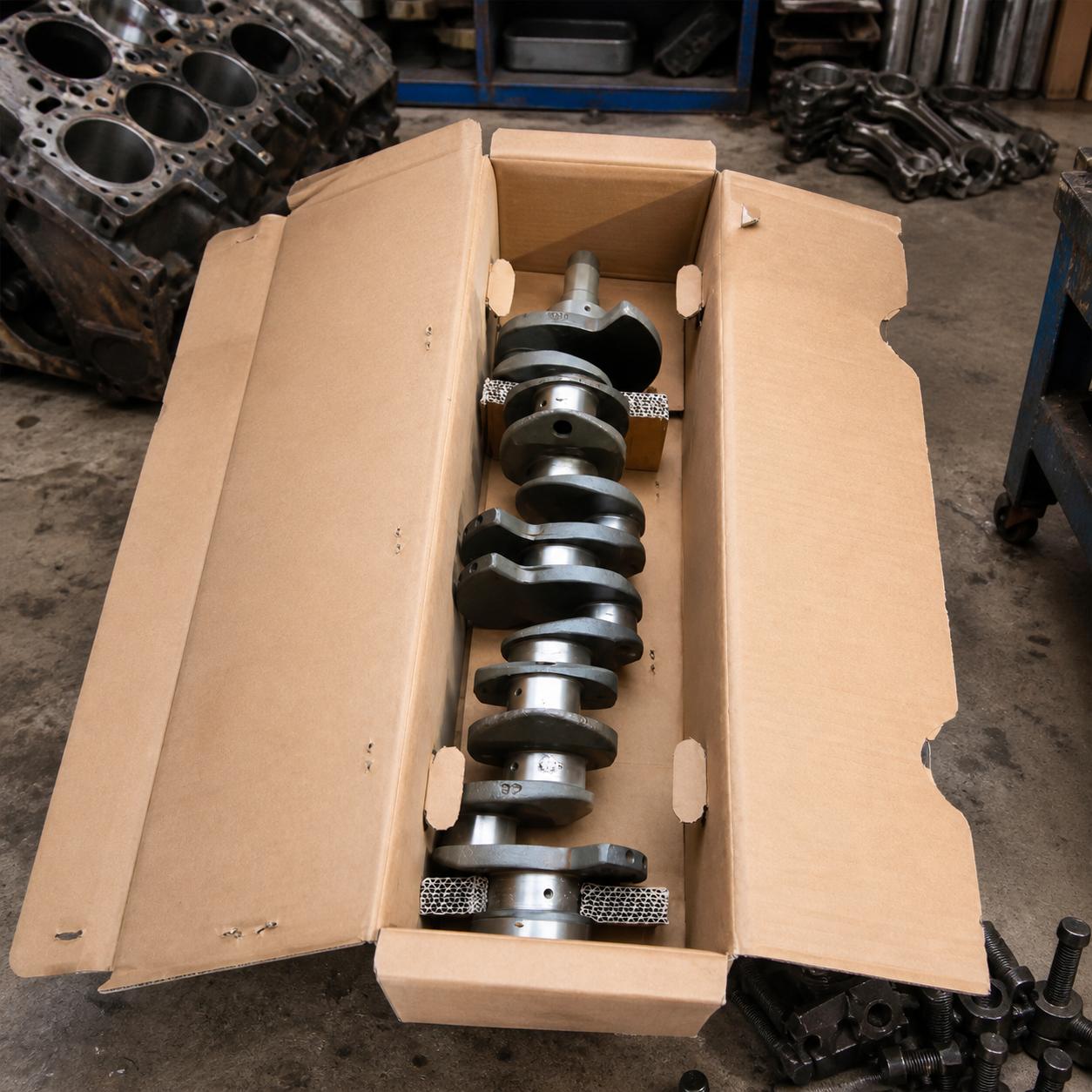
Buyers who source by part number rather than by visual match avoid the costly cycle of returns and mismatched fits. This is particularly true for crankshafts and connecting rods, where tolerances are measured in microns rather than millimeters.
How to Choose a Supplier Without Gambling on Downtime
Selecting a parts supplier is less about price alone and more about reliability under pressure. When a machine is down, the supplier's inventory depth and shipping speed matter as much as the part's quality.
- Confirm the supplier stocks parts across multiple brands, since mixed fleets need one point of contact rather than five.
- Ask whether components are calibrated or manufactured to OEM specifications, particularly for injectors and crankshaft kits.
- Check whether the supplier supports both sea and air freight, since urgent repairs cannot wait weeks for ocean transit.
- Review whether bulk pricing is available for wholesale or fleet-level purchasing, since per-unit sourcing rarely scales.
- Verify that electrical components, such as sensors and wiring harnesses, are included in the catalog, not just mechanical parts.
This is where suppliers with genuine parts agency relationships tend to outperform generic aftermarket vendors. For us, working directly with Isuzu, MAHLE, and Yanmar supply chains means the inventory reflects actual OEM specifications rather than approximations.
Bulk Sourcing and Wholesale Considerations
Wholesale buyers and fleet operators face a different set of pressures than single-machine owners. Volume purchasing reduces per-unit cost, but only if the supplier can maintain consistent stock levels across seasons.
Ready-to-ship inventory becomes the deciding factor during peak repair periods, such as harvest season for agricultural machinery or construction crunch periods. A supplier with deep stock in fuel injectors, gasket kits, and bearings can turn a multi-week repair into a same-week turnaround.
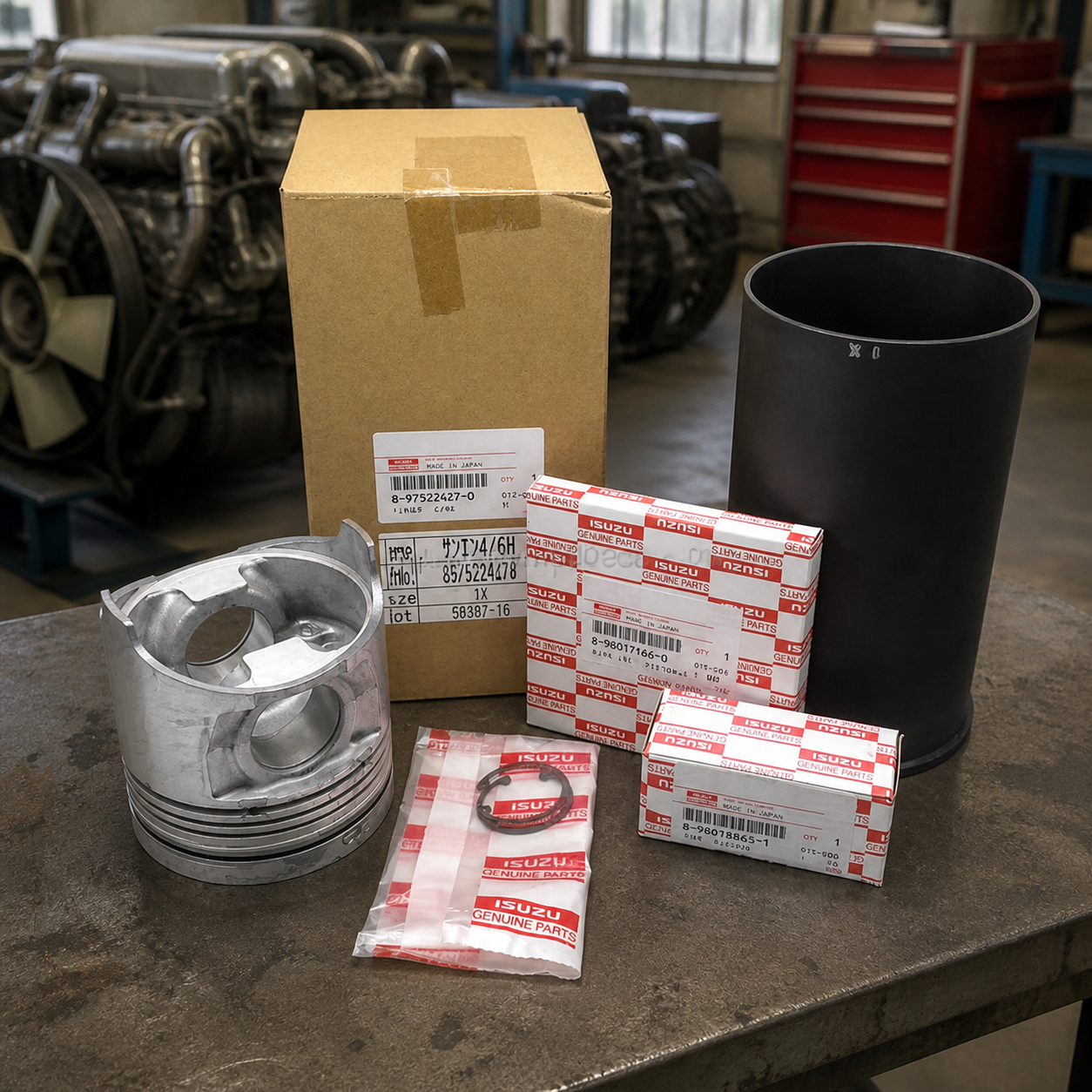
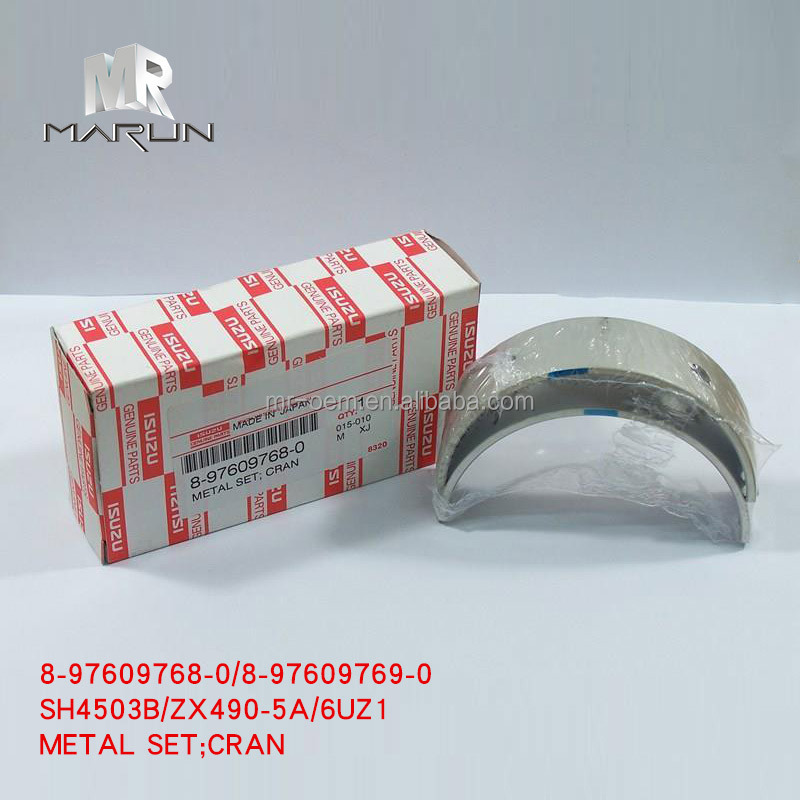
Bulk buyers should also factor in packaging and traceability. Genuine parts typically arrive with clear branding and part numbers printed directly on the packaging, which simplifies inventory management for workshops handling multiple engine brands at once.
Frequently Asked Questions
Are aftermarket diesel engine parts as reliable as OEM parts?
Reliability depends heavily on the manufacturer and specification standard used. Parts calibrated to OEM specifications, even when sold through an aftermarket channel, generally perform closer to original equipment than uncalibrated generic substitutes.
How often should fuel injectors be inspected?
Inspection intervals vary by engine model and duty cycle, so manufacturer service schedules should guide the timeline. Rough idling, excess smoke, or declining fuel economy are practical signs that injectors need attention sooner.
Can Isuzu engine parts be used in Hino or Mitsubishi machinery?
Generally no, since each brand uses its own tolerances and calibration standards. Cross-brand substitution should only happen when a part is explicitly verified as compatible for that specific engine model.
What causes premature bearing failure?
Contaminated oil, delayed filter changes, and lubrication gaps are the most frequent causes. Bearings are highly sensitive to particulate contamination, which is why filter maintenance directly protects bearing life.
Why does sourcing from a brand-authorized dealer matter?
Authorized dealers typically have direct access to genuine inventory and clearer traceability, which reduces the risk of receiving mismatched or substandard components.
Final Thoughts on Sourcing Diesel Engine Parts
Keeping heavy equipment running comes down to recognizing failure patterns early and sourcing diesel engine parts from a supplier who understands the difference between similar-looking components. Fuel injectors, gaskets, bearings, and cooling system parts fail predictably, and matching them correctly across Isuzu, Yanmar, Hino, Mitsubishi, and Caterpillar platforms prevents costly downtime. For fleet managers and wholesale buyers alike, the real advantage lies in working with a supplier who stocks genuine diesel engine parts at scale and can move quickly when a machine is waiting to get back to work.
SUBSCRIBE
INQUIRY