Auto Engine Parts: A Practical Guide to Sourcing Genuine Components
Anyone who manages a fleet or runs a repair shop knows the frustration of chasing down reliable auto engine parts. A worn cylinder liner or a failing bearing does not wait for convenient timing, and the wrong replacement part can turn a routine overhaul into a repeat visit. This guide walks through what actually matters when sourcing engine components, from material standards to brand compatibility, so the next purchase decision holds up under real working conditions.
Why Engine Part Quality Determines Equipment Lifespan
An engine is a closed system of tight tolerances. When a piston or bearing falls even slightly outside factory specification, the mismatch shows up as heat buildup, oil consumption, or premature wear on neighboring components. This is why overhaul work rarely tolerates guesswork.
Heavy-duty applications like excavators and commercial trucks push engines through repeated thermal cycles and mechanical loads that consumer vehicles rarely experience. A cylinder liner that performs fine in light-duty use might crack under the sustained compression of a construction site. That is the gap genuine, brand-matched parts are built to close.
Common Problems Buyers Face When Sourcing Parts
Most procurement headaches trace back to a handful of recurring issues. Recognizing them early saves both money and downtime.
- Counterfeit or gray-market parts: Off-brand components sometimes mimic OEM packaging but skip the material testing that genuine parts go through.
- Inconsistent stock availability: Waiting weeks for a single piston set can idle an entire machine.
- Cross-brand compatibility confusion: Diesel engines from Isuzu, Hino, Cummins, and similar manufacturers share some architecture but not always the same tolerances.
- Unclear part specifications: A listing without proper part numbers or material grade makes it hard to verify fit before installation.
Addressing these issues starts with choosing a supplier that documents where the parts come from and what standard they meet.
What Genuine MAHLE Components Bring to an Overhaul
MAHLE has long been a recognized name in piston and engine component manufacturing, and Marun supplies MAHLE auto engine parts as an authorized dealer. According to the product specifications, these components are built to original factory specifications, which matters most when a rebuilt engine needs to match the tolerances of the original design rather than approximate them.
The lineup covers the parts that typically fail first during long service intervals: pistons, piston rings, cylinder liner kits, main bearings, connecting rod bearings, exhaust valves, gasket kits, and filters. Supplying this range from one source reduces the risk of mixing a genuine piston with a mismatched aftermarket ring set, which is a common cause of early combustion chamber wear.
Which Engine Brands Does This Compatibility Cover
One detail that trips up a lot of buyers is assuming engine parts are brand-exclusive. In practice, MAHLE produces components engineered to fit multiple diesel engine platforms used across construction and commercial vehicle industries.
| Supported Engine Brand | Common Application |
|---|---|
| Isuzu | Excavators, generators, light trucks |
| Hino | Commercial trucks, buses |
| Caterpillar | Construction machinery |
| Komatsu | Excavators, loaders |
| Cummins | Trucks, industrial equipment |
| Mitsubishi | Excavators, agricultural machinery |
| Doosan | Construction equipment |
| Volvo | Commercial trucks |
| Dachai | Domestic Chinese machinery brands |
This breadth matters for shops that service mixed fleets. Instead of stocking separate part lines for every engine brand, a single MAHLE inventory can cover most of what rolls through the bay.
Choosing the Right Component for the Job
Not every overhaul calls for the same parts list. Matching the component to the actual failure mode saves both money and installation time.
- Diagnose the wear pattern first. Oil consumption often points to worn piston rings or valve seals, while coolant loss suggests a gasket failure.
- Check the cylinder liner condition. A scored or oval-shaped liner bore usually means the liner and matching piston need replacement together, not separately.
- Inspect bearing clearances. Main bearings and connecting rod bearings wear at different rates, so measure both before ordering.
- Confirm the gasket kit matches the head design. A mismatched gasket kit is one of the more frequent causes of comeback repairs.
- Verify filter specifications. Fuel and oil filters look similar across brands but often differ in thread pitch and micron rating.
Skipping the diagnostic step and reordering the same kit every time is how shops end up replacing parts that were never actually worn.
Cylinder Liners and Piston Sets: A Closer Look
The cylinder liner and piston relationship is worth pausing on, because it is where a lot of overhaul budgets get spent. A liner that has developed even minor surface scoring will accelerate ring wear on a brand-new piston, undoing the benefit of the replacement. That is why liner kits are typically sold and installed as matched sets rather than individual parts.
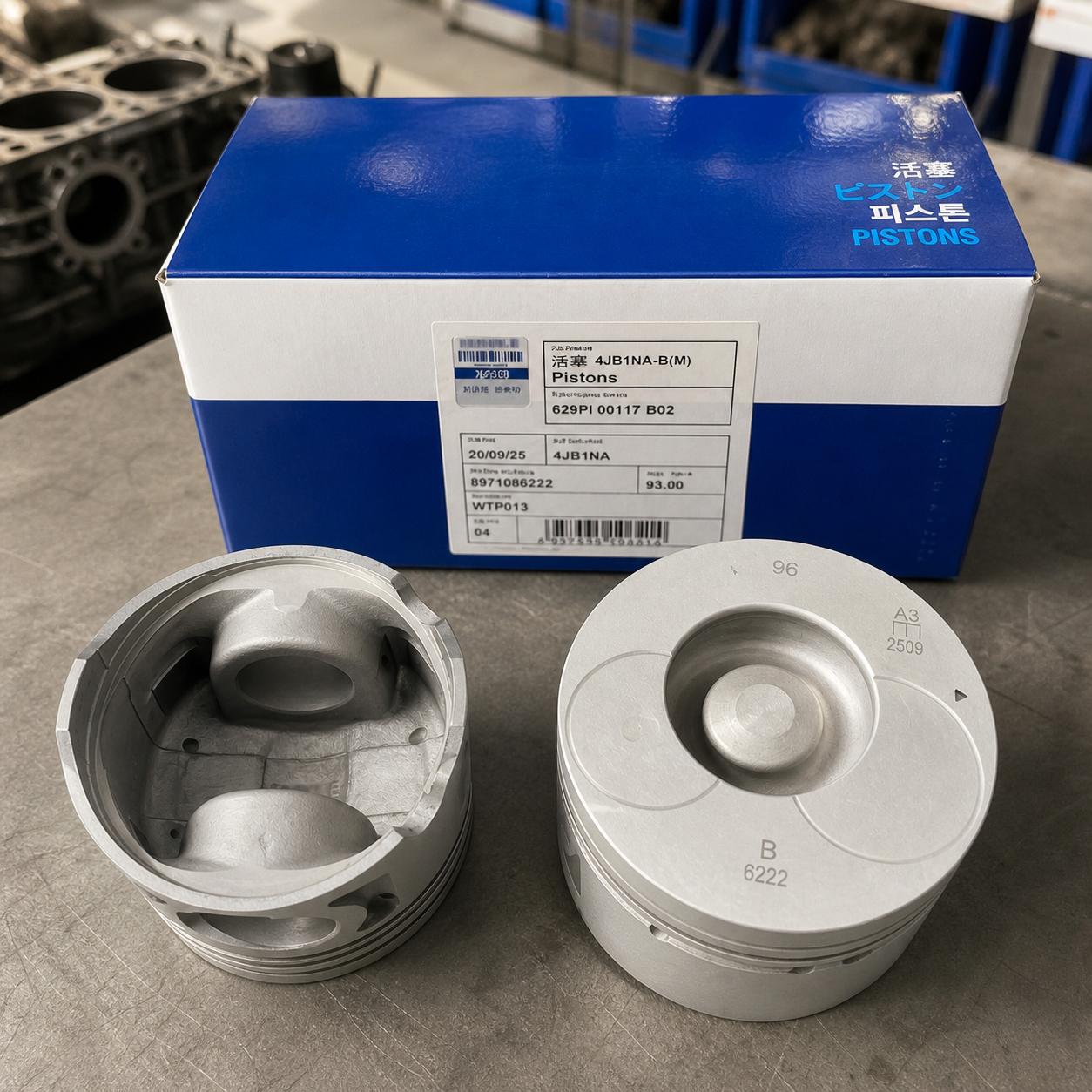
Machined steel liners are built to hold tight tolerances against the piston skirt, and this fit is what maintains compression across the engine's service life. Getting this pairing right the first time is often the difference between an engine that runs another few thousand hours and one that needs another teardown within months.
Gasket Kits and the Overhaul Bundle Approach
A full overhaul rarely comes down to one part. Gasket kits bundle the seals, washers, and head gaskets needed to reassemble an engine after teardown, and buying them as a set avoids the trial-and-error of matching individual seals by eye.
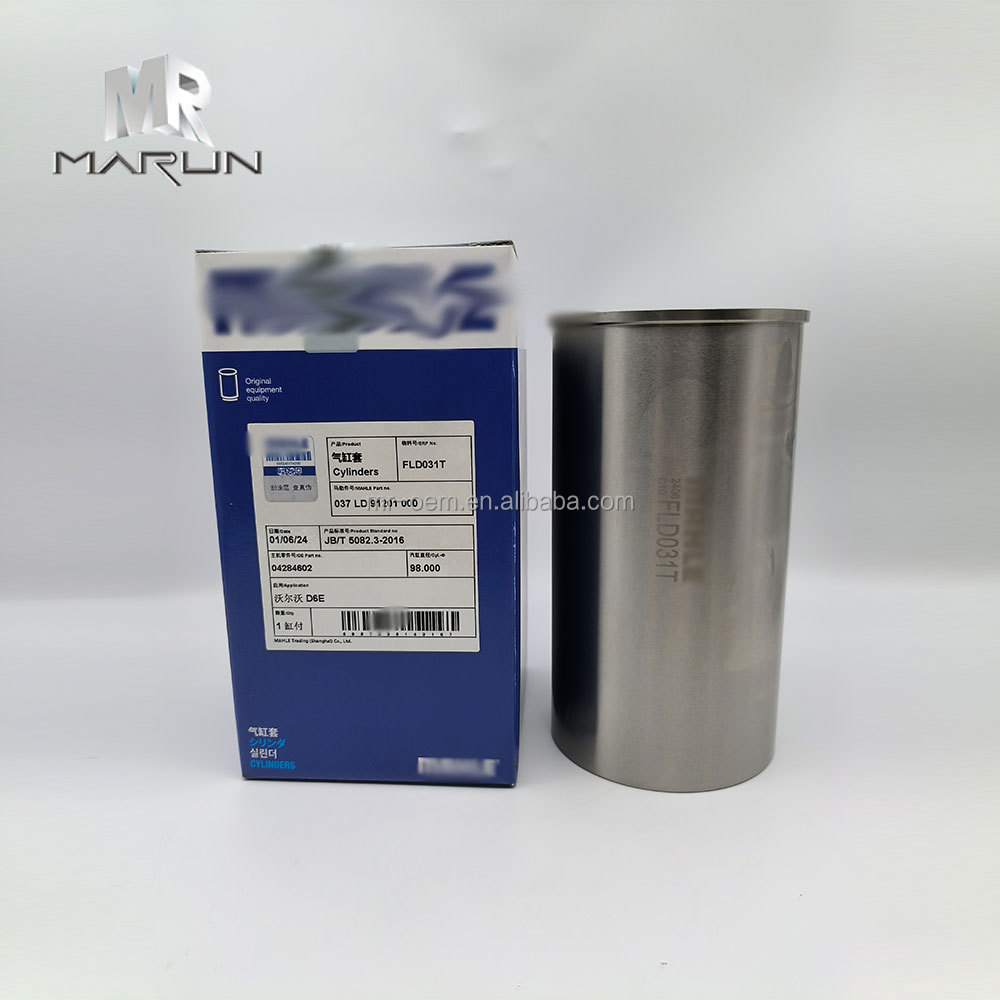
Bundled kits also tend to reflect the actual scope of a professional maintenance job. Filters, bearings, rings, and gaskets wear on overlapping schedules, so replacing them together during a scheduled overhaul is generally more efficient than addressing each one reactively as it fails.
Frequently Asked Questions
Are aftermarket engine parts always a bad choice?
Not necessarily, but aftermarket parts vary widely in how closely they match original tolerances. For heavy-duty or high-load applications, genuine components reduce the risk of premature failure.
Can MAHLE parts be used across different engine brands in the same fleet?
Yes, within the supported brand list. The same MAHLE product line covers engines from Isuzu, Hino, Caterpillar, Komatsu, Cummins, Mitsubishi, Doosan, Volvo, and Dachai, which simplifies inventory for mixed fleets.
How do I know if I need a full gasket kit or just a head gasket?
If the overhaul involves opening the engine block, a full kit is usually more practical since multiple seals degrade together over time.
What is the risk of using a mismatched piston and cylinder liner?
A mismatch typically leads to uneven wear, reduced compression, and increased oil consumption, which shortens the interval before the next overhaul.
Making the Sourcing Decision
Buyers weighing where to source auto engine parts should look past price alone and consider three practical factors: documented authenticity, stock availability, and brand compatibility with their existing fleet. Marun, as an authorized MAHLE dealer with a comprehensive inventory covering pistons, filters, bearings, gaskets, and cylinder liner kits, positions itself to reduce the downtime that comes from chasing scattered suppliers for a single overhaul job.
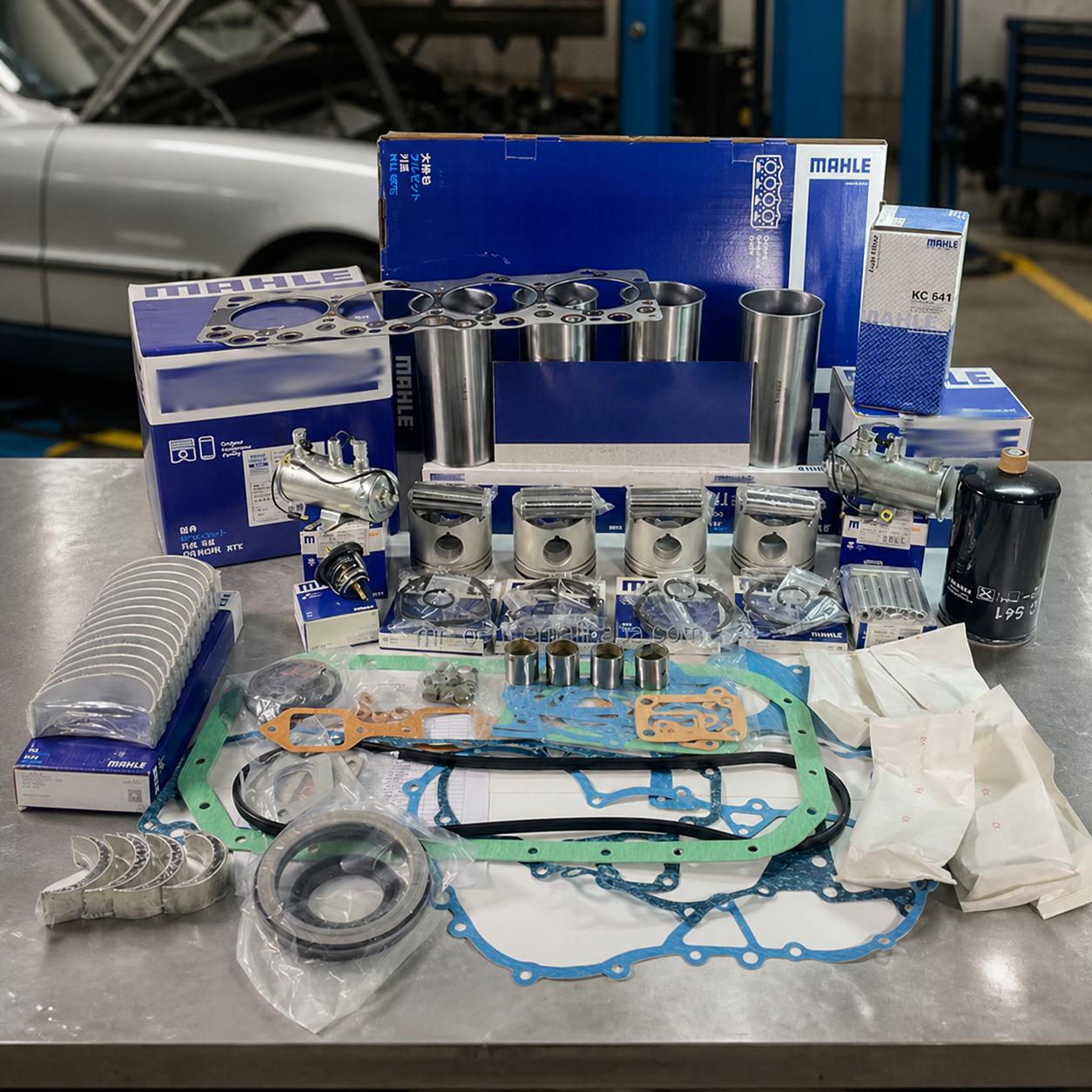
For fleet managers and repair shops handling excavators, commercial trucks, or industrial power equipment, the goal is straightforward: match the part to the engine's actual specification, verify it before installation, and choose a supplier who can back both the authenticity and the availability of the auto engine parts a job requires.
SUBSCRIBE
INQUIRY